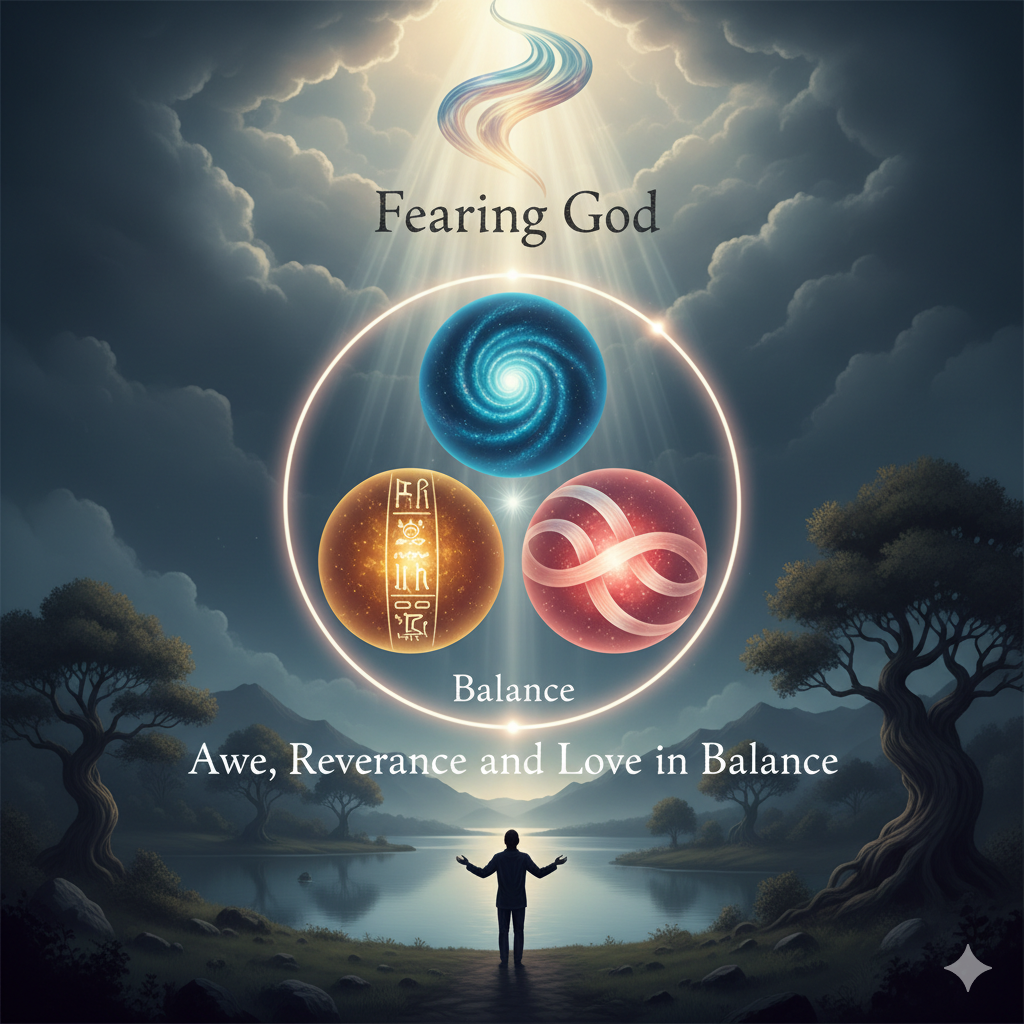
Does God Want Us to Fear Him?
I often hear people talking about fearing God. But is God not light, love, joy, peace, care, and so much more than something to be afraid of? When we perceive God as someone to fear in a terrifying sense, do we not lose the essence of who He truly is? Should we not focus on God’s holiness and justice, as well as His love and mercy?
God is both holy and loving. If we only fear Him as a punisher, we miss the true meaning of His heart. On the other hand, if we only see Him as gentle love without holiness, we may not take His guidance in our lives seriously.
Perhaps we have misinterpreted the meaning of “fear” in the Bible. In Hebrew (yirah) and Greek (phobos), the word can mean awe or terror. But over time, the nuance of “reverence” was lost in translation, leaving only the word “fear,” which many understood as being afraid of God.
1. Fear as Awe and Reverence
If we delve deeper into the word “fear,” it often points to being overwhelmed by God’s greatness and holiness. Reverence is a deep, intense respect and honor for God because of His supreme holiness and majesty. This encompasses a profound sense of awe, wonder, and reverential fear—something entirely different from fear of punishment.
2. Fear as Alignment
“Fear” can also be understood as alignment. This does not mean that everything you do will always line up with God’s Word—we are human, and our emotions often shape how we respond to situations. But it does mean taking God seriously: honoring His ways, recognizing His authority, and allowing His Word to guide your choices.
If you respond to someone negatively because your emotions took over, you can always come back to God—reflect, pray, and ask how you might align your actions more closely with His will.
3. Fear Balanced with Love
Wisdom begins with reverence. When you grow in God’s love, you are not paralyzed by fear, but you live in trust. Too often we see God only through the lens of how He was taught or preached to us. But to truly know Him, we must view God holistically—embracing His fullness, not only the parts we find easier to understand.
Each person has a unique relationship with God. That relationship, not others’ opinions, should be the foundation of your faith and trust.
“Stand in awe of God, respect Him deeply, let His greatness humble and guide you.” It should not be fear that drives you toward Him, but reverence for His holiness.
“Trust in the Lord with all your heart and lean not on your own understanding.” — Proverbs 3:5
Final Word
“Love the Lord your God with all your heart and with all your soul and with all your mind. This is the first and greatest commandment.” — Matthew 22:37–38

Leave a Reply