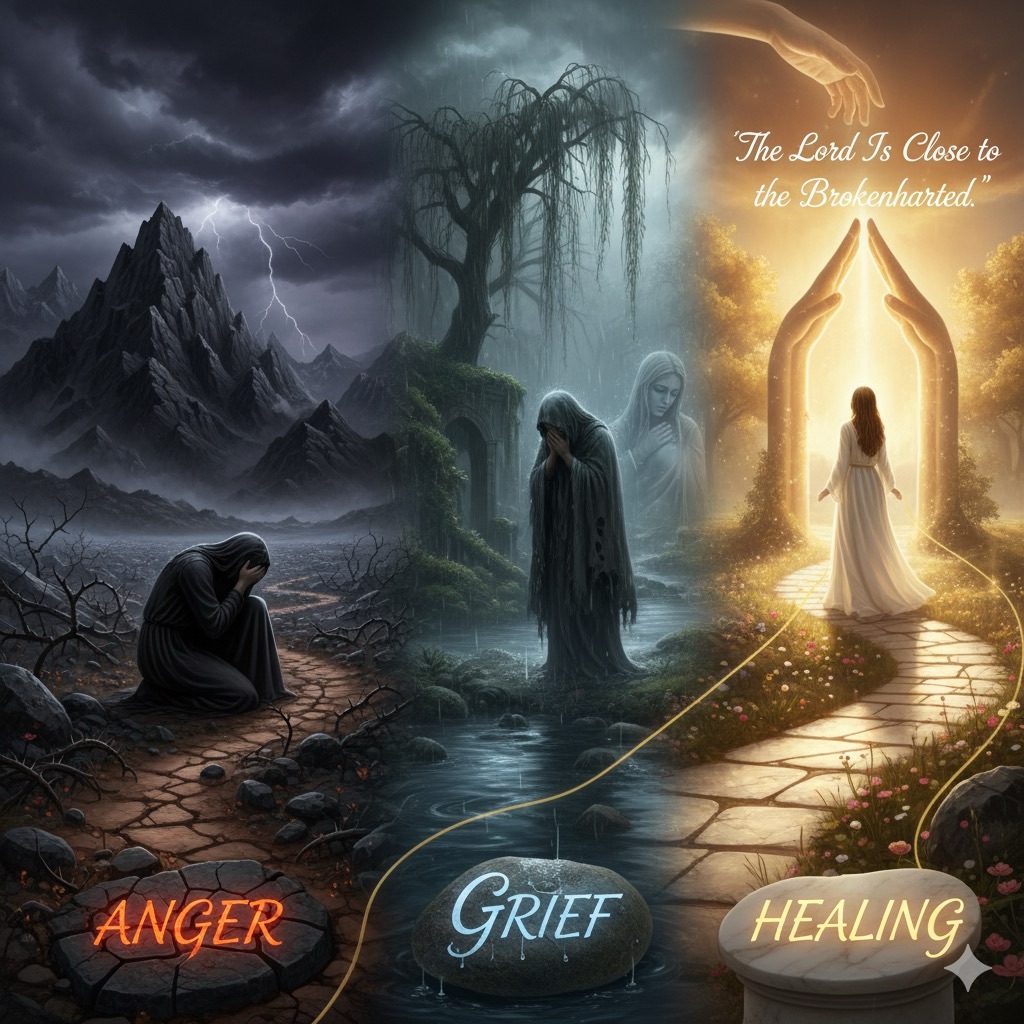
I am mad. I am distraught. I am aggrieved. I am deeply hurt.
1. Acknowledging Your Feelings
Acknowledging these emotions is the first step to letting go and healing.
Being mad at the world, at people, or even at God is natural — but holding on to that anger is a disaster in the making. Instead of pushing your feelings down, try naming them, voicing them.
When you hold anger, hurt, and grief inside without acknowledging, processing, or releasing them, they affect your emotional, mental, physical, and spiritual well-being.
1.1 Emotional
The feelings won’t disappear just because you wish them away. They only grow heavier over time, resurfacing with more force. This can create resentment — toward the person, toward life — and make it harder to trust or open up again.
1.2 Mental
Suppressed emotions don’t vanish; they live in your subconscious. They resurface as intrusive thoughts, overthinking, and rumination. This mental unrest can lead to anxiety, depression, or a constant inner tension.
1.3 Physical
Your body stores stress. It shows up as headaches, muscle tension, stomach issues, fatigue. Over time, this weakens your immune system and harms your health.
1.4 Spiritual/Relational
Unreleased hurt blocks your ability to feel peace, joy, or closeness to God. It can make Him feel distant, as though your prayers aren’t reaching Him. Relationships also suffer: you may lash out, withdraw, become defensive, or struggle to trust again.
2. Give Yourself Permission to Grieve
Acknowledge what you have lost: your sense of trust, safety, love, or the future you hoped for. Feeling distraught often comes from unacknowledged loss. Allow yourself to grieve — to cry, to reflect, to journal, or to talk honestly with God. Share with a trusted friend who can listen without judgment and help ease the pressure.
3. Shift Your Mindset
When you ask, “Why me?” or “Why did this happen?” you block peace from entering your heart. Peace comes when you ask instead: “What can I do with this pain to move forward?” This doesn’t excuse what happened or make your hurt small, but it frees you from letting pain define your identity.
4. Release the Hurt Without Causing More Hurt
Letting go doesn’t mean forgetting or excusing. It means releasing its grip on your heart. Write a letter pouring out everything you feel — but don’t send it. Burn it safely, symbolising release. Pray. Ask God to carry your burdens until you’re strong enough to face them.
5. Forgiveness
Forgiveness should never be forced or rushed. It is not excusing the wrong, but setting yourself free from poison. When you’re ready, ask God for help:
“Lord, I want to forgive and set myself free. Please help me forgive.”
6. Fill the Empty Spaces With Beauty
When you release hurt, replace it with life-giving practices: prayer, scripture, walks in nature, music, art, safe conversations, or quiet reflection. If you don’t fill the empty space, the hurt can creep back in.
God’s Nearness
Psalm 34:18 says, “The Lord is close to the brokenhearted.”
This verse is powerful. When you feel crushed by grief, anger, or despair, God doesn’t stand far off — He draws near. He carries your pain, meets you in your brokenness, and slowly lifts you out of despair, little by little, if you allow Him.
God isn’t repelled by anger or sorrow. He welcomes them and, in exchange, offers peace and healing. Offer Him your broken heart and invite Him near in your healing journey.
Letting Go
Letting go is not forgetting, and it isn’t instant. It’s like peeling layers from a wound so it can finally breathe and heal. Some days you’ll feel lighter; other days the pain will resurface. Both are normal. Healing is persistence: choosing release over replay.

Leave a Reply